
What is Visceral Fat? Why It’s More Dangerous Than You Think

Not all belly fat is the same.
Some fat sits under the skin and is pinchable. But another type hides deep inside the abdomen, wrapping around vital organs such as the liver and pancreas. This type of fat is called visceral fat, and it can be secretly harming your health.
If you struggle with stubborn belly fat, poor sleep, low energy, or high stress levels, visceral fat might be contributing to these symptoms.
In this blog, we’ll cover what visceral fat is, what causes it, why it’s dangerous, and how to reduce it naturally.
What is Visceral Fat?
Visceral fat is stored deep inside the abdominal cavity. Unlike subcutaneous fat (the soft, pinchable fat under the skin), visceral fat surrounds internal organs, including:
- Liver
- Pancreas
- Intestines
This type of fat doesn’t just sit in the organism. Visceral fat cells are biologically active. This means that this type of fat acts as an organ itself, releasing hormones and inflammatory compounds into the bloodstream.
Why is Visceral Fat Dangerous?
Visceral fat increases disease risk far beyond cosmetic concerns. Here are the risks:
1. It Increases Inflammation
Visceral fat releases inflammatory chemicals called cytokines. Chronic inflammation is linked to:
- Heart disease
- Autoimmune conditions
- Metabolic dysfunction
- Accelerated aging
2. It Raises Insulin Resistance
Visceral fat can interfere with how the body uses insulin. Over time, insulin resistance can lead to:
- High blood sugar
- Increased risk of type 2 diabetes
- Cravings
- Fat storage
3. It Affects Heart Health
Higher visceral fat levels are associated with:
- Elevated triglycerides
- High blood pressure
- Increased LDL (bad) cholesterol
4. It disrupts Hormones (Especially Cortisol)
Chronic stress increases cortisol. Elevated cortisol levels encourage fat storage around the midsection, particularly visceral fat. You may be unknowingly feeding visceral fat if you’re:
- Constantly stressed
- Not getting quality sleep
- Running on caffeine
- Not letting your body rest and recover
Visceral fat has been linked to several health conditions, such as cardiovascular disease, fatty liver disease, Alzheimer’s, dementia, breast cancer, and colorectal cancer.
What Causes Visceral Fat?
Visceral fat gradually accumulates in the body over time. It develops from consistent lifestyle patterns.
Chronic Stress: High cortisol leads to more belly fat storage. When stress is chronic, the body is in a constant state of “survival mode”, prioritizing fat storage around vital organs.
Poor Sleep: Sleeping less than 6-7 hours per night or not getting quality, restful sleep disrupts hormones such as leptin (fullness hormone), ghrelin (hunger hormone), and also affects insulin sensitivity. Poor sleep also increases cravings for refined carbs and sugar.
High Sugar, Processed Foods, and Excess Alcohol: Excess refined carbohydrates and sugar spike insulin and increase fat storage, especially in the abdominal area.
Sedentary Lifestyle: Low muscle mass slows down metabolism and reduces calorie burn at rest. Strength training is a powerful tool against visceral fat.
Hormonal Changes: After the age of 30, muscle mass naturally begins to decline. For women, especially, hormonal shifts can increase abdominal fat storage.
Signs You Might Have Excess Visceral Fat
Visceral fat can’t be seen directly, but common indicators include:
- Waist circumference over 35 inches (women) or 40 inches (men) – does not apply if overall body size is large
- “Apple-shaped” body type
- Firm, “ballooning” or “beer” belly
- Fatigue after meals
- Blood sugar fluctuations
- Elevated triglycerides
Even people who appear “thin” can have high visceral fat.

How to Reduce Visceral Fat Naturally
The good news is that visceral fat is highly responsive to lifestyle changes. It is actually easier to reduce visceral fat than subcutaneous fat.
1. Strength Training 3-4x a Week
Resistance training:
- Builds muscle
- Improves insulin sensitivity
- Increases resting metabolism
- Compound movements such as squats, presses, and deadlifts are especially effective.
2. Manage Stress
Chronic stress has a huge impact on visceral fat. Daily stress-reduction practices include:
- 10-minute walks
- Breathing exercises
- Journaling
- Limiting late-night screen exposure
- Yoga or meditation
3. Prioritize 7-8 Hours of Sleep
Sleep is not optional for fat loss. It is important to get good, quality sleep every night.
Deep sleep helps:
- Lower cortisol and reduce stress
- Regulate hunger hormones
- Improve recovery
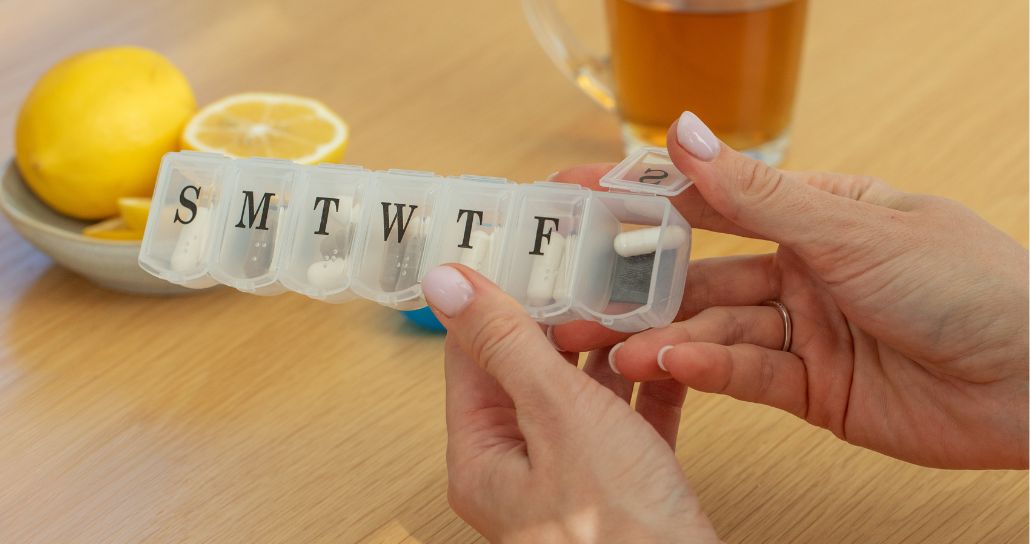
If falling asleep is difficult, creating a nighttime routine with supplement support can significantly help get a good night’s rest and improve fat loss outcomes.
4. Focus on a Healthy Diet
Increase protein and fiber, while reducing refined carbs, sugar, and processed foods.
Focus on whole foods such as:
- Lean proteins
- Vegetables and Fruits
- Healthy fats
- Complex carbohydrates
Consistency beats restriction. No extreme diets needed.
How Long Does It Take to Lose Visceral Fat?
Many individuals begin to see reduced visceral fat within 8-12 weeks of consistent:
- Strength training
- Sleep improvement
- Stress Management
- Balanced Nutrition
Because visceral fat is metabolically active, it responds very well to lifestyle changes.
Supplement Support for Visceral Fat
While lifestyle changes remain the foundation for reducing visceral fat, certain supplements may provide additional support when used together with healthy habits:
Ashwagandha+™ – promotes balanced cortisol and a healthy stress response
Magnesium Glycinate – supports relaxation and improved sleep quality
Green Tea Extract – supports metabolic rate and fat oxidation
EPA-DHA Omega-3 – anti-inflammatory support and metabolic benefits
Probiotics+™ – supports gut health, which is linked to metabolic regulation
Support Your Body from the Inside Out
Visceral fat is not just about appearance…it’s about protecting your body from the hidden dangers it poses. By consistently incorporating healthy habits into your routine, you can reduce visceral fat and move toward stronger, long-term health. Start small, stay consistent, and trust the process.
Your Hispanic American Health Store
Health Hispanica® is a Hispanic-American health store specializing in supplements from Hispanic-American-owned brands such as Natura-Genics® and Yerba Farma®. We strive to provide quality and innovative supplements at fair prices and educate our clients and community on healthy living.
The statements above have not been evaluated by the Food and Drug Administration (FDA). This product is not intended to diagnose, treat, cure, or prevent any disease.

Maca for Men: Getting to Know This Traditional South American Root
Leave a comment