
Gout: Symptoms, Causes, and Relief

Gout is a fairly common and painful form of arthritis caused by excess uric acid in the body, which forms sharp crystals in the joints. These crystals trigger flare-ups that result in intense pain, swelling, and discomfort. Treating gout typically requires both symptom management and lifestyle changes, especially around diet. In this post, we’ll break down what gout is, why it happens, and what can help. Gout—get out!
What is Gout?
Gout is a form of inflammatory arthritis that causes pain and swelling in the joints, especially the big toe. It is much more common in men than in women. It tends to affect men after the age of 40 and women after menopause. Gout occurs when high levels of uric acid, a byproduct of breaking down substances called purines, build up in the blood and form needle-like crystals in the joints.
Purines are naturally present in the body and are also found in many foods. When the body can’t eliminate uric acid properly, it accumulates and causes problems.
Some other parts of the body that may be affected by gout include:
Bursae – cushion-like sacs between bones and soft tissue
Tendon sheaths- membranes that surround tendons
Kidneys- high uric acid levels can lead to stones
|
→ Struggling with gout pain? G-Out™ is specifically formulated to support healthy uric acid levels. |
Symptoms of Gout
Not everyone with high uric acid will experience symptoms, but those who do may suffer from periodic gout flares, painful attacks that can last for days or weeks.
Common symptoms include:
- Sudden and Intense Pain – Usually in the big toe (podagra), but can affect the ankles, knees, elbows, wrists, and fingers. Pain usually begins at night and might be severe enough to wake you up
- Swelling and Redness- The joints affected might become swollen, warm to the touch, and can turn red or purplish
- Tenderness – Even the lightest of pressure can feel unbearable
- Reduced range of motion- It might become difficult to move the joint
- Lingering discomfort- After the intense pain, joint discomfort can linger for a few days or even a few weeks
How Long Does a Flare-Up Last?
Flare-ups can vary per person, but here is a common timeframe:
- Initial attack: Typically, it can last from 3-10 days
- Intervals between flares: Can be weeks, months, or even years
- Chronic gout: Untreated gout comes with frequent flares, joint damage, and the development of tophi (hard uric acid crystal lumps under the skin)
Risk Factors
Risk factors for developing gout include:
Purine-rich foods- red meat and certain fish types such as tuna, scallops, and sardines.
Sugar- sugary drinks and foods high in fructose corn syrup, and excessive amounts of alcohol, especially beer.
Overweight- being overweight can lead to increased levels of uric acid and can make it harder for your body to eliminate
Certain chronic conditions – diabetes, obesity, and kidney disease can increase the risk of gout
Family history- genetics can play a role in the development of gout
Imbalanced gut microbiome- research shows the microbiome plays a role in inflammatory conditions like arthritis
Gout Relief & Prevention
Gout is not considered to be curable, but it is considered one of the most treatable forms of arthritis. Managing symptoms of gout and taking steps to help prevent flare-ups can significantly improve quality of life. Here are some lifestyle changes and steps to consider:
Immediate Relief
During a Gout Flare:
- Rest the joint- if it’s the toe that’s affected, avoid applying pressure
- Ice- icing the area can help reduce some inflammation and pain
- Medication- if needed, NSAIDs such as ibuprofen can be taken to help reduce inflammation
- Supplements- consider taking supplements that promote anti-inflammatory effects and balanced levels of uric acid
Long-term Treatment & Prevention
Lifestyle changes:
- Limit red meat, shellfish, sugary drinks and foods, alcohol, and oily fish
- Eat more low-fat dairy, fruits and vegetables, and whole grains
- Drink plenty of water to help flush out uric acid
- Maintain a healthy body weight
- Exercise regularly (avoid intense exercise during flare-ups)
- Manage chronic conditions such as diabetes and high blood pressure
Supplements for Gout
Supplements can be a helpful addition to lifestyle changes for managing gout. Some worth considering:
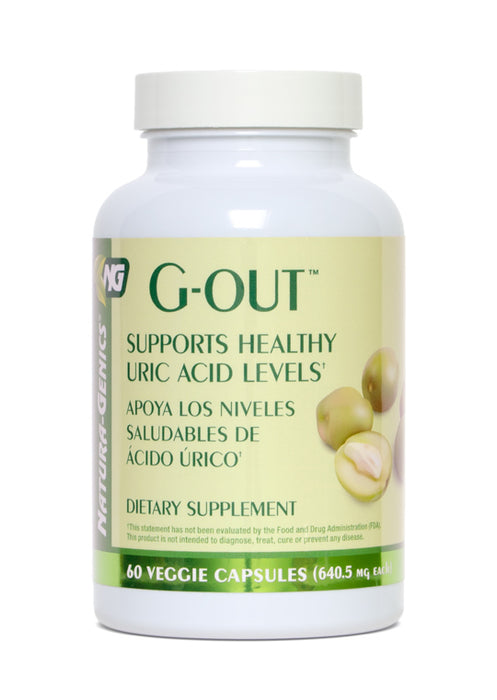
G-Out™ – A targeted formula designed to support healthy uric acid levels and joint health. It contains:
- Ayuric® (Terminalia bellerica) – clinically studied for uric acid balance
- Vitamin C and Black Cherry Extract – may support uric acid reduction
- Curcumin, Quercetin, and Yucca Root – provide natural anti-inflammatory support
- Folic Acid – may help lower homocysteine, which is often elevated in people with high uric acid
Vitamin C – On its own, may also support uric acid reduction and prevent future flares, according to some studies.
Final Thoughts
Gout may be painful, but it doesn’t have to control your life. With the right knowledge, simple lifestyle adjustments, and support from targeted supplements, you can manage symptoms and prevent future flare-ups. Whether you’re currently battling gout or looking to prevent it, staying consistent with healthy habits is key. Remember, gout may come on strong, but with the right tools, you can show it the door.
Your Hispanic American Health Store
Health Hispanica® is a Hispanic-American health store specializing in supplements from Hispanic-American-owned brands such as Natura-Genics® and Yerba Farma®. We strive to provide quality and innovative supplements at fair prices and educate our clients and community on healthy living.
The statements above have not been evaluated by the Food and Drug Administration (FDA). These products are not intended to diagnose, treat, cure, or prevent any disease.
Related Posts

Maca for Men: Getting to Know This Traditional South American Root
Leave a comment